
Laundromat investment in 2026: why the best play is onchain
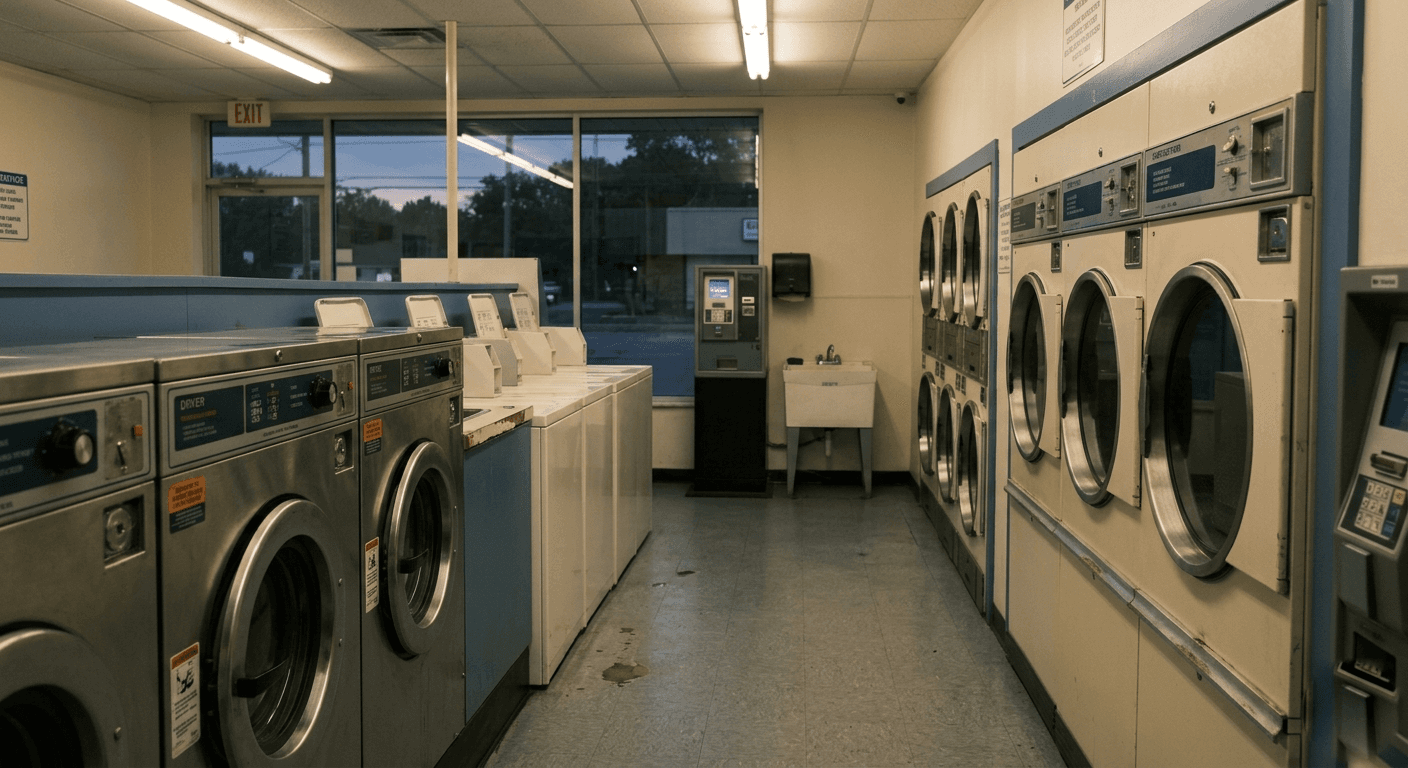
A coin-operated laundromat in a mid-density residential corridor grosses somewhere between $8,000 and $18,000 per month, depending on size and location. After operating costs, the net margin runs 20-35%. That isn't a forecast. It's a documented, repeatable cash flow from a business category that hasn't meaningfully changed since the 1950s.
The problem with laundromat investment has never been the returns. It's been access. A single laundromat location requires $150,000-$400,000 in equipment capital plus a lease negotiation, operator management, and hands-on maintenance. Most investors who find their way to the asset class are either industry operators or wealthy enough to afford full ownership. Everyone else reads about the margins and moves on.
What changed in 2026
Tokenisation of real-world assets is the short answer. The longer answer is that the infrastructure to do it properly (IoT-verified revenue, onchain distribution, bankruptcy-remote legal structures) only matured enough to be reliable in the last two years. Before that, 'tokenised laundromat' was marketing language for 'we issued an NFT.' The underlying cash flow verification wasn't there.
DualMint's Ecowash category finances coin-operated laundromats in Shenzhen and Hong Kong under leaseback structures. IoT sensors record every wash cycle. That data is cross-referenced against operator bank deposits monthly. The operating surplus distributes to depositors in USDC. Twelve consecutive monthly distributions since May 2025. Zero operator defaults. The margin is real, verified at the machine level, not the operator's word.
The structural case for laundromats
Three things make laundromats unusually durable as an investment category. First, non-discretionary demand. People do laundry in recessions. Utilisation doesn't track consumer confidence or rate cycles. Second, low operator dependency. The machine earns on usage. A failing operator can be replaced without selling the asset. DualMint's step-in rights and leaseback agreements make that a legal fact, not a plan. Third, predictable replacement cycles. The equipment category (Speed Queen, Continental Girbau) has decades of failure-rate data. A properly maintained machine runs 15-20 years. The cash flow is forecastable.
Compare that to almost any other yield category. Tokenised treasuries compress when rates fall. Lending protocols compress when credit demand softens. Token emissions stop when protocols stop printing. A washing machine in a laundromat earns its margin regardless of what monetary policy or crypto markets are doing. The yield is non-correlated because the underlying business is non-correlated.
What the numbers actually look like
DualMint's Ecowash assets have distributed between 1.18% and 1.24% per month across the tracked period. Annualised, that's 14-15% net of DualMint's 10% processing fee. The gross operating margin on the underlying machines is higher. The 10-15% net yield is the conservative floor after fees and liquidity reserve allocations.
For context: a savings account at 4.5% returns $4,500 per year on $100,000. A laundromat position at 14% returns $14,000. The difference compounds. Over five years at 14%, $100,000 becomes $192,000. At 4.5%, it becomes $124,000. The gap isn't the yield number. It's what the yield number is attached to. A savings account is attached to Fed policy. A laundromat is attached to a washing machine running cycles in a residential corridor.
The tradeoffs worth knowing
Laundromat investment via DualMint has real constraints. Withdrawals settle in 30 days, the same structural reality as any physical asset. There's no instant liquidity. This isn't a savings account substitute. It's an allocation within a broader portfolio, sized for capital that doesn't need to move on short notice.
The Machine Yield Index vault, which pools laundromat cash flow alongside HVAC, arcade, and vending assets, launches Q3 2026. The marketplace behind it has been running since May 2025. If you want to understand the returns before the vault opens, the distribution history is public and onchain. The machines have been running. The data is there.
Follow DualMint